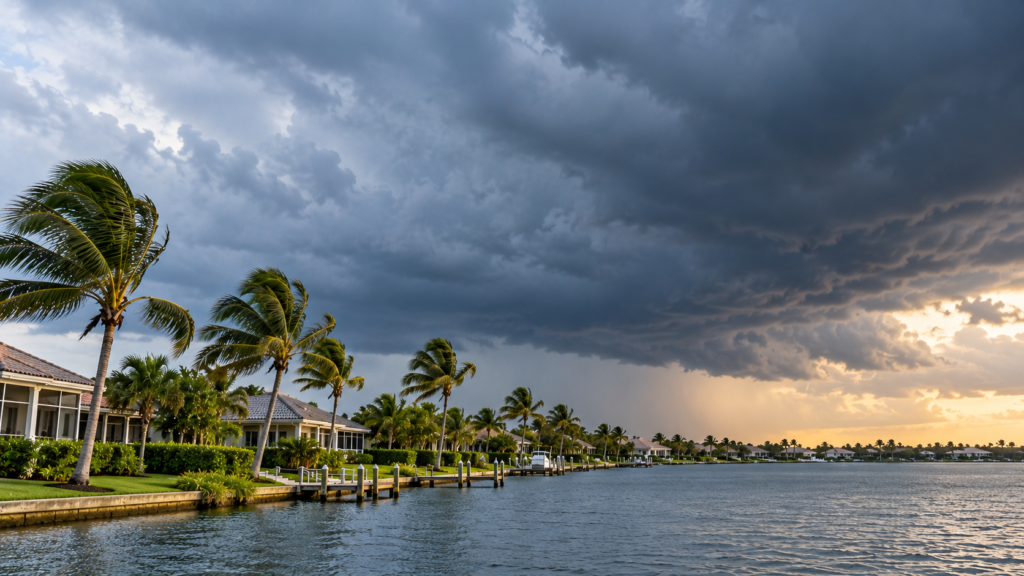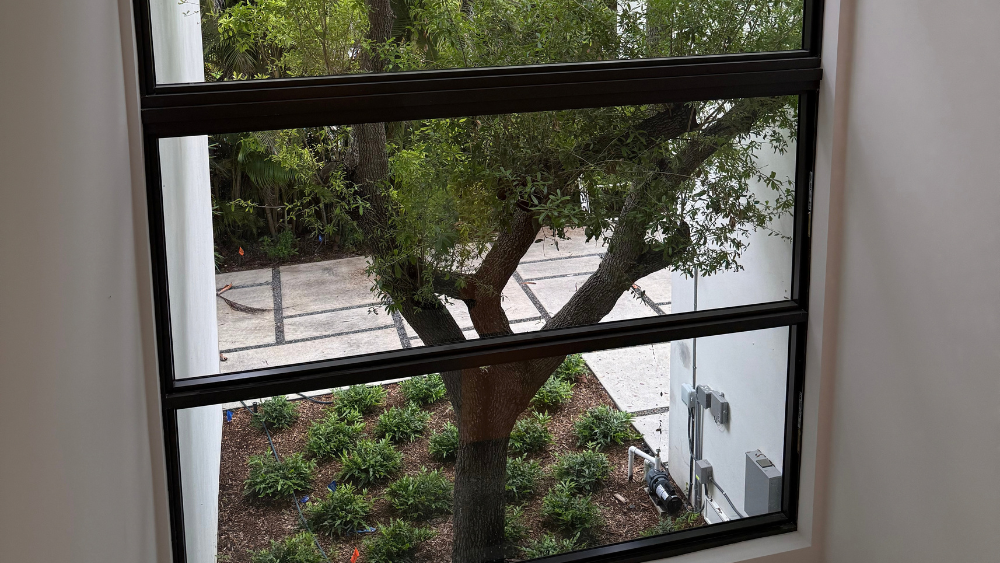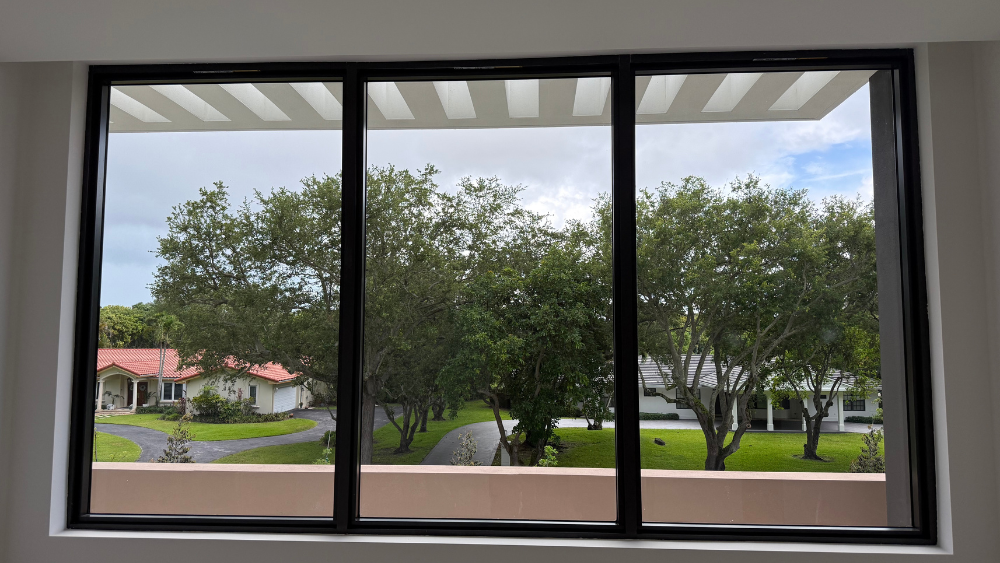
Living in Florida comes with many advantages, from beautiful weather to year-round outdoor living. However, it also means preparing your home for one of nature’s most powerful forces—hurricanes.
Every year, Florida experiences tropical storms and hurricanes capable of producing destructive winds, heavy rainfall, storm surges, and flying debris. To reduce property damage and improve public safety, the state has adopted some of the strictest building codes in the country.
Many homeowners hear terms like Florida Building Code, Miami-Dade Approval, or hurricane-rated windows, but few truly understand what these requirements mean—or why they matter.
Do you actually need hurricane-rated windows? Are impact windows required by law? What building codes apply to your home?
The answers depend on several factors, including your home’s location, the age of the property, the type of renovation you’re planning, and your local jurisdiction.
In this guide, we’ll explain how Florida’s hurricane building codes work, why they exist, and what every homeowner should know before replacing windows, doors, or starting a home improvement project.
Why Does Florida Have Special Hurricane Building Codes?
Florida experiences more hurricanes than almost any other state in the United States.
Over the years, devastating storms such as Hurricane Andrew, Hurricane Irma, Hurricane Ian, and many others revealed how vulnerable homes could be when construction standards weren’t designed for extreme weather.
Following these events, Florida significantly strengthened its building regulations to improve the resilience of residential and commercial buildings.
Today’s building codes are designed to help:
- Protect homeowners and their families
- Reduce structural damage during hurricanes
- Improve the performance of new construction
- Increase public safety
- Minimize insurance losses
- Create stronger, longer-lasting homes
Rather than focusing on a single product, the Florida Building Code establishes minimum performance requirements for many parts of a home, including roofs, exterior walls, garage doors, windows, entry doors, and structural connections.
What Is the Florida Building Code?
The Florida Building Code (FBC) is the statewide set of construction standards that governs how buildings are designed, renovated, and constructed throughout Florida.
The code establishes minimum requirements intended to improve safety, structural integrity, accessibility, energy efficiency, and hurricane resistance.
Although the code applies statewide, local governments may have additional requirements depending on their geographic location and exposure to hurricanes.
When homeowners replace windows, install new doors, or complete certain remodeling projects, those improvements may need to comply with the current edition of the Florida Building Code.
This helps ensure that new building components meet modern safety standards rather than outdated construction practices.
Why Building Codes Matter for Homeowners
Some homeowners assume building codes only affect contractors or architects.
In reality, they directly impact anyone planning home improvements.
Understanding the applicable requirements before beginning a project can help homeowners:
- Choose products designed for Florida’s climate
- Avoid costly installation mistakes
- Reduce permit delays
- Improve long-term property value
- Increase storm protection
- Ensure renovations comply with local regulations
Building codes are not intended to make projects more complicated—they’re designed to improve safety and reduce the risk of catastrophic damage during severe weather.
Hurricane Wind Zones in Florida
Not every area of Florida experiences the same wind conditions.
The state is divided into different wind regions based on historical weather data and engineering studies.
These regions help determine the level of wind resistance required for buildings and building products.
Homes located near the coastline generally face higher design wind speeds than properties farther inland.
As a result, the performance requirements for windows, doors, roofing systems, and structural components may differ depending on the property’s location.
This is one reason why two homes in different parts of Florida may require different impact-rated products, even if they appear similar.
What Is the High Velocity Hurricane Zone (HVHZ)?
One of the most important concepts homeowners should understand is the High Velocity Hurricane Zone, commonly referred to as HVHZ.
The HVHZ includes Miami-Dade County and Broward County, where building requirements are among the strictest in the United States.
These counties experience some of the highest hurricane risks in the country, requiring building products to meet rigorous testing and performance standards.
Homes located inside the HVHZ often require products that have successfully passed additional testing for:
- Wind pressure resistance
- Large missile impact testing
- Water infiltration
- Structural performance
- Cyclic wind pressure testing
This is why many homeowners specifically ask for Miami-Dade Approved windows and doors.
What Does “Miami-Dade Approved” Mean?
One of the biggest misconceptions is that “Miami-Dade Approved” is simply a marketing term.
In reality, it refers to products that have successfully completed extensive testing and received product approval for use under Miami-Dade County’s requirements.
Depending on the product, testing may evaluate factors such as:
- Resistance to windborne debris
- Structural loading
- Water penetration
- Air infiltration
- Repeated pressure cycles that simulate hurricane conditions
Products that receive this approval are often recognized throughout Florida as meeting some of the highest performance standards available.
Even homeowners living outside Miami-Dade sometimes choose these products because they value the additional level of protection and confidence they provide.
Are Impact Windows Required in Florida?
This is one of the most frequently asked questions.
The answer is:
It depends.
Florida building codes don’t require every existing home to immediately replace all traditional windows with impact windows.
However, when homeowners build a new home, replace windows, or complete major renovations, the new products and installation methods generally must comply with the applicable building code requirements for that project.
The specific requirements depend on several factors, including:
- The location of the property
- The scope of the renovation
- The applicable building code
- Local permitting requirements
- Wind design criteria
- The products being installed
Because every project is different, homeowners should always verify the requirements that apply to their specific property before beginning construction.
What Building Components Must Meet Hurricane Requirements?
Hurricane protection extends well beyond windows.
Florida’s building codes address multiple parts of the home that contribute to overall structural performance during severe weather.
These components may include:
- Roof systems
- Exterior doors
- Garage doors
- Windows
- Sliding glass doors
- Structural connectors
- Roof-to-wall connections
- Exterior wall assemblies
Each component plays an important role in helping protect the building envelope during high-wind events.
When one part of the structure fails, additional damage can occur throughout the home.
That’s why modern building codes take a comprehensive approach rather than focusing on a single product.
Do Hurricane Building Codes Affect Home Renovations?
Yes. Even if your home was built many years ago, certain renovation projects may need to comply with the current Florida Building Code.
For example, replacing windows, installing new exterior doors, or completing structural renovations often requires permits and inspections to ensure the work meets today’s safety standards.
While existing homes aren’t automatically required to upgrade every component, improvements made during renovations typically need to meet the applicable code requirements at the time of installation.
Before starting any project, it’s important to understand:
- Whether a building permit is required
- Which products are approved for your area
- If inspections will be necessary
- Whether your contractor is familiar with local code requirements
Working with experienced professionals can help streamline the process and reduce the likelihood of costly delays or corrections.
Why Are Permits Important?
Some homeowners view permits as an unnecessary step, but they serve an important purpose.
Permits help ensure that construction work is completed according to applicable safety standards and that installations are properly inspected before a project is finalized.
Depending on the project, permits may help verify:
- Proper installation methods
- Approved building materials
- Structural compliance
- Wind resistance requirements
- Life safety considerations
Completing work without the required permits can create challenges later, especially when selling your home or filing insurance claims after storm damage.
If you’re unsure whether your project requires a permit, consult your local building department or a qualified contractor before beginning work.
Why Professional Installation Matters
Even the highest-rated impact windows won’t perform as intended if they’re installed incorrectly.
Professional installation is a critical part of ensuring that hurricane-rated products function according to their tested performance.
Experienced installers understand:
- Local building requirements
- Manufacturer installation instructions
- Proper anchoring methods
- Flashing and waterproofing techniques
- Inspection requirements
- Permit procedures
An improperly installed window can allow air or water infiltration and may reduce the overall performance of the window system during severe weather.
Choosing a qualified installer is just as important as selecting a high-quality product.
Common Mistakes Homeowners Make
Planning a window or door replacement project involves more than choosing a style you like.
Here are some of the most common mistakes homeowners make when preparing for hurricane-related upgrades.
Choosing Products Based Only on Price
While budget is always important, the least expensive option isn’t always the best long-term investment.
Lower-priced products may differ in performance, durability, warranty coverage, or energy efficiency.
Instead of focusing only on initial cost, consider the long-term value and protection your investment provides.
Hiring Contractors Without Local Experience
Florida’s building requirements are unique.
Choosing a contractor who regularly works with Florida building codes can help reduce installation issues and improve project efficiency.
Experienced professionals understand permitting procedures, inspections, and product approvals specific to the region.
Ignoring Product Approvals
Not every impact window or door is approved for every application.
Before purchasing products, verify that they’re appropriate for your home’s location and intended use.
This is especially important for homes located within the High Velocity Hurricane Zone.
Delaying Necessary Repairs
If your current windows show signs of water intrusion, damaged frames, failed seals, or operational problems, postponing repairs may allow the damage to worsen over time.
Addressing issues early is often more cost-effective than waiting until additional structural damage occurs.
Do Hurricane Building Codes Affect Home Insurance?
While building codes themselves don’t determine your insurance policy, code-compliant improvements may influence how insurance companies evaluate your home.
Some homeowners may qualify for insurance benefits after installing approved hurricane-resistant products, although eligibility varies depending on the insurer, policy, property, and other underwriting factors.
Potential advantages may include:
- Improved hurricane protection
- Reduced risk of storm-related damage
- Increased property resilience
- Potential insurance savings, when applicable
Homeowners should contact their insurance provider to learn whether specific upgrades may qualify for discounts or other benefits.
Choosing Windows and Doors That Meet Florida Standards
Selecting the right products involves more than appearance.
When comparing impact windows and doors, consider factors such as:
- Product approvals
- Hurricane impact resistance
- Energy efficiency
- Frame material
- Glass construction
- Warranty coverage
- Professional installation
A qualified contractor can help explain the available options and recommend products that meet both your needs and the applicable requirements for your property.
Remember that every home is different.
The ideal solution for one homeowner may not be the best option for another, depending on location, architecture, and project goals.
Why Choose Hurricane Window & Screen?
For more than 40 years, Hurricane Window & Screen has helped homeowners throughout South Florida improve the safety, comfort, and value of their homes.
Our experienced team understands Florida’s unique building requirements and works with premium impact windows and doors designed for hurricane-prone environments.
When you work with Hurricane Window & Screen, you receive:
- Premium impact windows and doors
- Professional installation
- Experienced local specialists
- Personalized recommendations
- Products designed for Florida homes
- Exceptional customer service from consultation through installation
Whether you’re replacing aging windows, upgrading your home’s protection, or planning a complete renovation, we’re here to help you navigate the process with confidence.
Frequently Asked Questions
What is the Florida Building Code?
The Florida Building Code is the statewide set of construction standards that establishes minimum requirements for the design, construction, and renovation of residential and commercial buildings throughout Florida.
Are impact windows required in Florida?
Not every existing home is required to immediately install impact windows. However, new construction and many window replacement projects must comply with applicable building code requirements based on the property’s location and the scope of the project.
What is the High Velocity Hurricane Zone (HVHZ)?
The High Velocity Hurricane Zone includes Miami-Dade County and Broward County, where buildings must meet some of the most rigorous hurricane-resistance requirements in the United States.
What does Miami-Dade Approved mean?
Miami-Dade Approved products have successfully completed extensive testing for hurricane performance, including resistance to wind pressure, impact from windborne debris, and water infiltration, among other criteria.
Do I need a permit to replace my windows in Florida?
Many window replacement projects require permits and inspections, although requirements vary depending on your municipality and the scope of work. Always check with your local building department or contractor before beginning a project.
Can hurricane building codes help protect my home?
Yes. Modern building codes are designed to improve the overall resilience of homes by establishing minimum performance standards for critical building components, including windows, doors, roofing systems, and structural connections.
Why should I choose a contractor familiar with Florida building codes?
Experienced contractors understand local permitting processes, approved products, installation requirements, and inspection procedures, helping ensure your project is completed correctly and in compliance with applicable regulations.
Build a Safer Home with Confidence
Florida’s hurricane building codes exist for one reason: to help protect people, homes, and communities from the devastating effects of severe storms.
Understanding these requirements allows homeowners to make informed decisions when replacing windows, installing new doors, or planning future renovations.
Whether you’re upgrading a single window or investing in a complete home improvement project, choosing products that meet Florida’s standards—and having them professionally installed—can provide greater confidence, improved durability, and long-term peace of mind.
If you’re considering impact windows or doors, Hurricane Window & Screen is here to help.
Our knowledgeable team can guide you through the selection process, explain applicable building requirements, and recommend solutions designed specifically for Florida homes.
Contact Hurricane Window & Screen today to schedule your free consultation and discover how professionally installed impact windows and doors can help protect your home for years to come.